
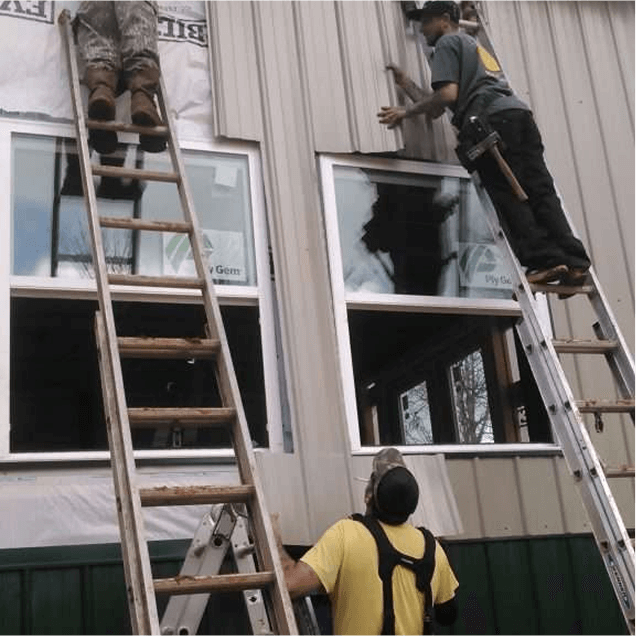
Construction waste is a bigger problem than most people realize. The U.S. Environmental Protection Agency reports that construction and demolition activities produce more than 600 million tons of debris each year in the U.S., which is more than twice the volume of municipal solid waste.
Demolition creates over 90% of that total, while new construction accounts for less than 10%. Even so, up to 30% of the materials delivered to a building site end up discarded. Here is the part that should get every contractor’s attention. Much of that waste is avoidable. It comes from ordering errors, poor planning, careless cuts, and damage on the jobsite, and all of those things can be controlled. Metal roofing brings its own challenges because panels, trim, fasteners, and accessories often need to match exact measurements and project specs.
This article covers practical steps metal roofers in Greenville, SC can take to reduce waste on every job without running short on materials.
Start With Accurate Roof Measurements
Every precise material order begins with precise measurements. Accurate measuring is the single most reliable way for a roofing contractor to avoid ordering too much or too little material. Before ordering anything, measure the full roof and account for these features.
- Roof dimensions and slopes
- Valleys and hips
- Ridges
- Eaves and rakes
- Dormers and other roof penetrations
Each of these features affects how much material the job actually needs. Estimating too generously leaves you with panels and trim you paid for but never use. Estimating too low creates delays while you wait on a second order, and it can stall a crew mid-job. Double-check your numbers before you submit the order. Five extra minutes with a tape measure costs far less than a return trip to the supplier.
Order Panels in the Right Lengths
Buying panels that run well past what the roof requires is one of the most common sources of avoidable waste on metal roofing jobs. Every foot you trim off ends up in the scrap pile. When your supplier can cut panels to your project measurements, take advantage of it. Ordering panels cut to length reduces on-site cutting, scrap metal, and the labor hours your crew spends making adjustments instead of installing. It also helps to map out roof sections that call for different panel lengths ahead of time, so each area of the roof gets material sized for that section rather than one generic length for everything.
Create a Complete Material List Before Ordering
Panels get most of the attention, but they are only part of the order. A complete material list for a metal roofing project should also include the following items.
- Ridge caps
- Flashing
- Trim
- Fasteners
- Closures
- Sealants
- Underlayment
When an order comes in incomplete, someone has to make a rushed run for whatever is missing. Those last-minute purchases often come from a different source, which means the color, gauge, or finish may not match the original materials. Mismatched parts can end up unused, which is waste in its own right. Before you place the order, review your full material list against the project plans line by line.
Plan Cuts Before Installation Begins
A little planning keeps usable metal from turning into scrap. Have your crew map out cuts before anyone picks up the snips or shears. Think through where each panel and piece of trim will go, and look for spots where an offcut from one area can be put to work somewhere else on the roof.
Avoid cutting based on habits from past projects, since no two roofs are exactly alike, and an assumption that worked last month can ruin a panel today. Follow the manufacturer’s recommendations for cutting metal roofing products so the material performs the way it should.
Store and Handle Materials Properly on the Jobsite
A little planning keeps usable metal from turning into scrap. Have your crew map out cuts before anyone picks up the snips or shears. Think through where each panel and piece of trim will go, and look for spots where an offcut from one area can be put to work somewhere else on the roof.
Avoid cutting based on habits from past projects, since no two roofs are exactly alike, and an assumption that worked last month can ruin a panel today. Follow the manufacturer’s recommendations for cutting metal roofing products so the material performs the way it should.
Track Where Waste Is Happening
At the end of each project, take a few minutes to review what is left over.
- Were too many panels ordered?
- Did cutting mistakes create unnecessary scrap?
- Were extra accessories purchased but never used?
- Did damaged materials have to be replaced?
You might not glean any insights from one single job. But chances are that you’ll pick up on some patterns across several jobs. Tracking those patterns helps you refine your estimates and ordering habits, so each new project starts with a tighter, more accurate plan. Over time, this is how contractors turn avoidable waste into saved money.
Work With a Supplier Who Understands Contractor Needs
Reducing material waste starts long before installation day. Accurate measurements, careful ordering, planned cuts, proper handling, and honest reviews of past jobs all work together to keep more of your material on the roof and out of the dumpster. If up to 30% of delivered materials are being thrown away on the average building site, the contractors who tighten up their process gain a real edge on cost and cleanup.
The right supplier makes each of those steps easier. Metal roofers in Greenville, SC who need panels, trim, and accessories, or a hand preparing material orders for an upcoming project, can reach out to Upstate Metal Supply to get started.