
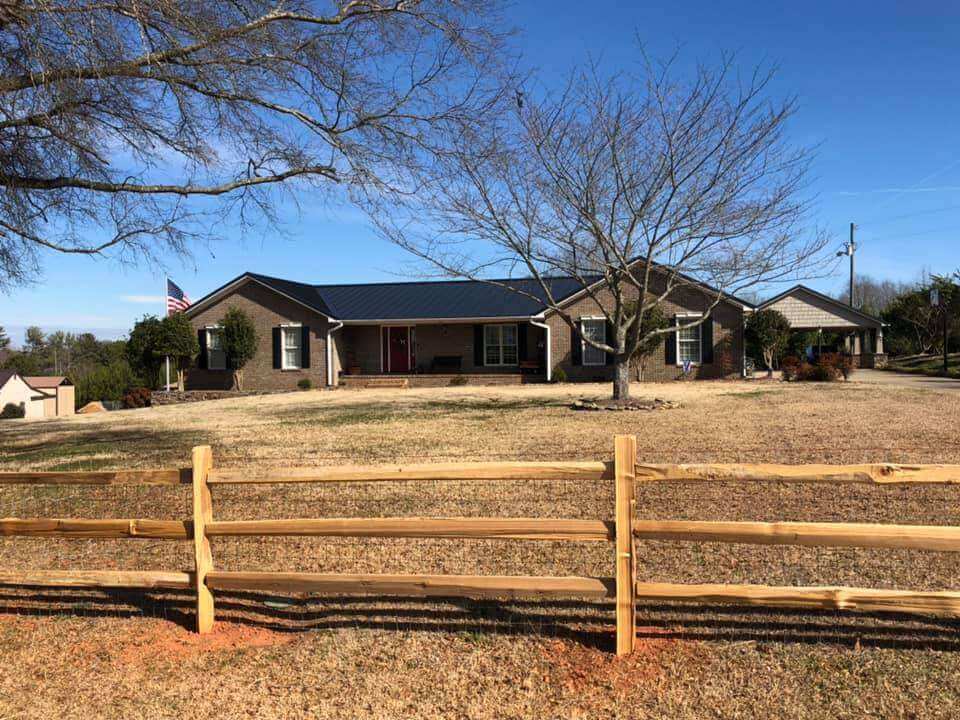
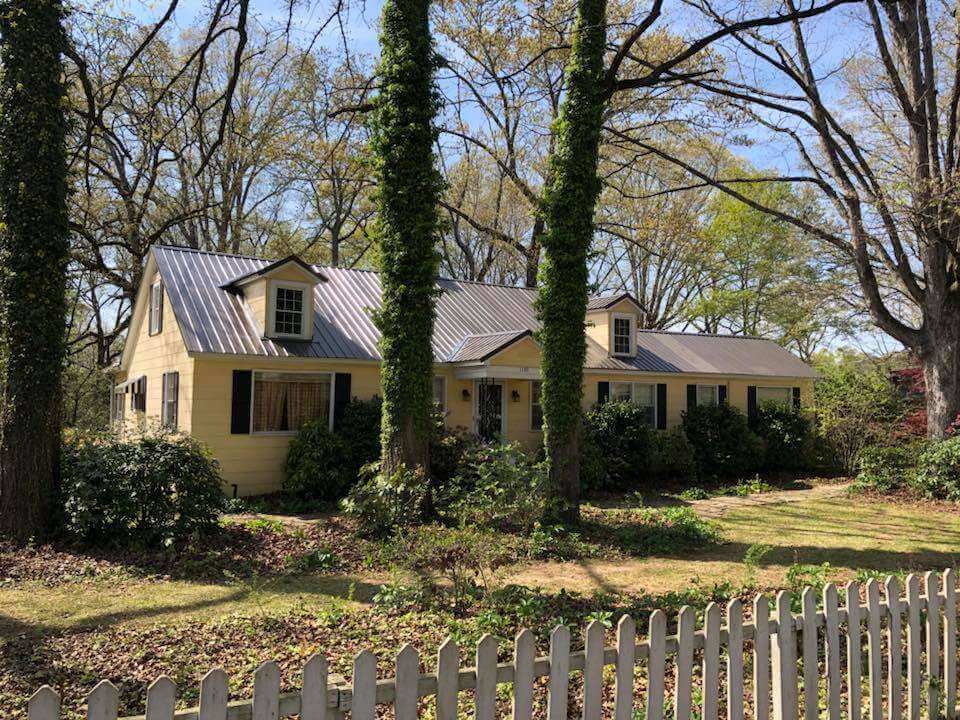
R-Panel is a popular, economical panel used on homes, barns, and light commercial buildings. It has a tall rib profile that adds stiffness and channels water down the roof. R-Panel is typically an exposed-fastener system, meaning screws with washers go through the face of the panel. It installs quickly and costs less, but fasteners and washers may need periodic inspection over time.
PBR Panel looks similar to R-Panel but adds a purlin-bearing leg (a small extra flange). That detail improves support and makes it ideal for buildings with open framing (like metal buildings) where panels attach directly to purlins. PBR is also known for strong spanning capability and dependable performance on agricultural and commercial roofs.
Standing Seam is the premium choice for many residences. Panels lock together with raised seams and concealed clips/fasteners, reducing penetrations and improving resistance to wind-driven rain. Visually, it offers clean lines and a high-end finish. It costs more and is more installer-dependent, but it’s often the best option for long-term durability.
Ultimately, the right panel comes down to your building needs and your priorities: R-Panel is a solid, cost-effective choice for broad coverage, PBR is ideal when you need added strength for open-framing and purlin-supported structures, and standing seam delivers the highest level of weather protection with a clean, premium look.