Metal roof installation is all about preparation, layout, and weather-tight detailing. Whether you’re a DIYer or a pro crew, start with safety: use fall protection, roof jacks or scaffolding on steeper slopes, gloves and eye protection for sharp edges, and avoid working on windy or wet days. Measure twice—metal is less forgiving than shingles.
Next, confirm the roof deck is sound and flat, then install the correct underlayment (synthetic or high-temp in hotter climates). Add drip edge/eave trim, then any valley metal and ice-and-water membrane where required. Establish straight reference lines (square to the eave), so panels track true all the way to the ridge.
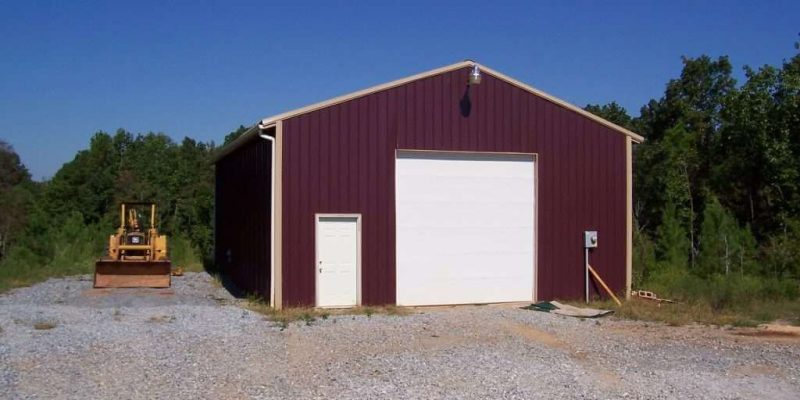
For exposed-fastener panels (like R-panel/PBR), install panels from the downwind side, overlap per manufacturer specs, and place screws in the recommended pattern and location (often on the flats, not the ribs). Drive screws snug—not over-tight—so washers seal without splitting. Use butyl tape at side laps and trims where specified, and don’t rely on caulk alone.
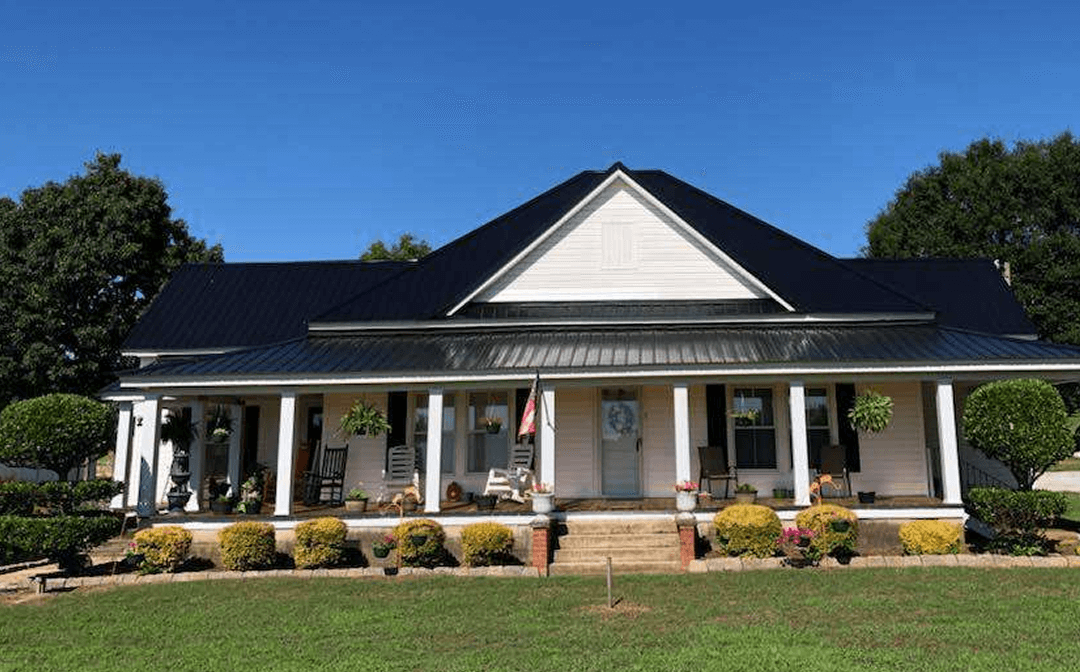
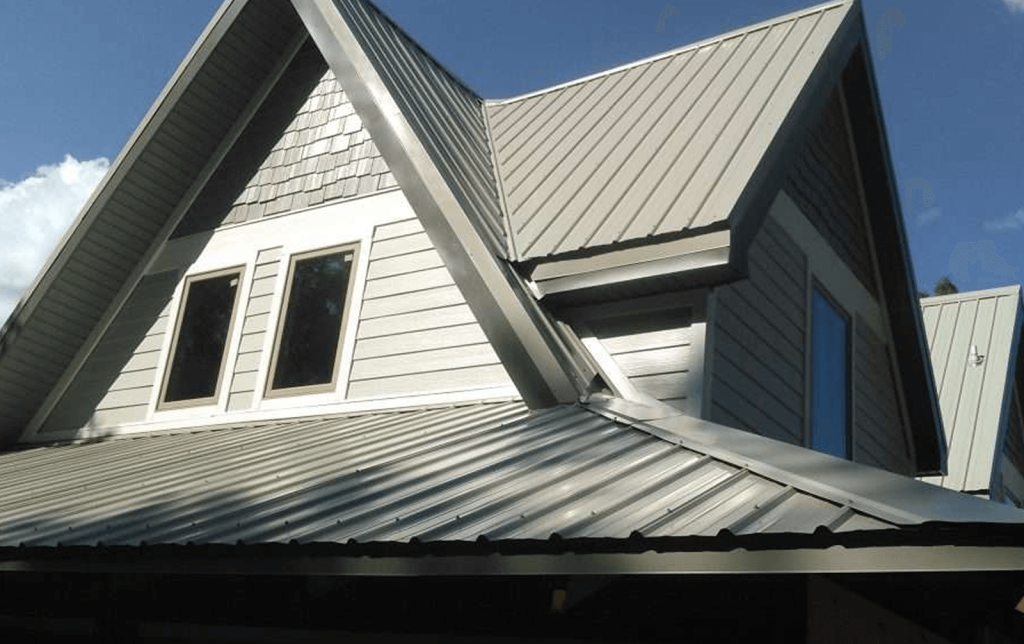
For standing seam, follow the clip layout precisely, maintain consistent seam engagement, and allow for thermal movement. Misaligned clips, wrong fasteners, or poor seam closure can cause leaks and oil-canning.
Finish with rake trim, ridge cap (or ridge vent), closures, pipe boots, and wall flashings. Finally, clean metal shavings off panels (they rust and stain), confirm fastener tightness, and water-test critical transitions. The best installs come from matching every step to the panel manufacturer’s details and local wind codes.